CBD (cannabidiol) is a well-being supplement derived from industrial hemp. Studies from 2020-2025 explore its potential effects on everyday stress, sleep quality, discomfort and post-exercise recovery. This article is informational, does not replace medical advice, and refers to products compliant with current regulations.
Legal context (England/France/Europe)
In England (UK), consumer CBD products must contain only trace levels of controlled cannabinoids to meet the “exempt product” definition; in practice this requires no more than 1 mg of total controlled cannabinoids per container and other conditions.
In France, non-medical CBD is authorised under specific conditions; market practices and public guidance align with ≤ 0.3% THC for compliant hemp sources and products placed on the market.
Across the European Union, industrial hemp cultivation is aligned to a 0.3% THC threshold since 1 January 2023. Always verify national requirements by product category (foods, cosmetics, vapes, flowers) and seek professional advice for regulated contexts.
Important: We present broad trends from recent publications. Individual responses vary. No therapeutic claims are made.
1. Anxiety and day-to-day stress management
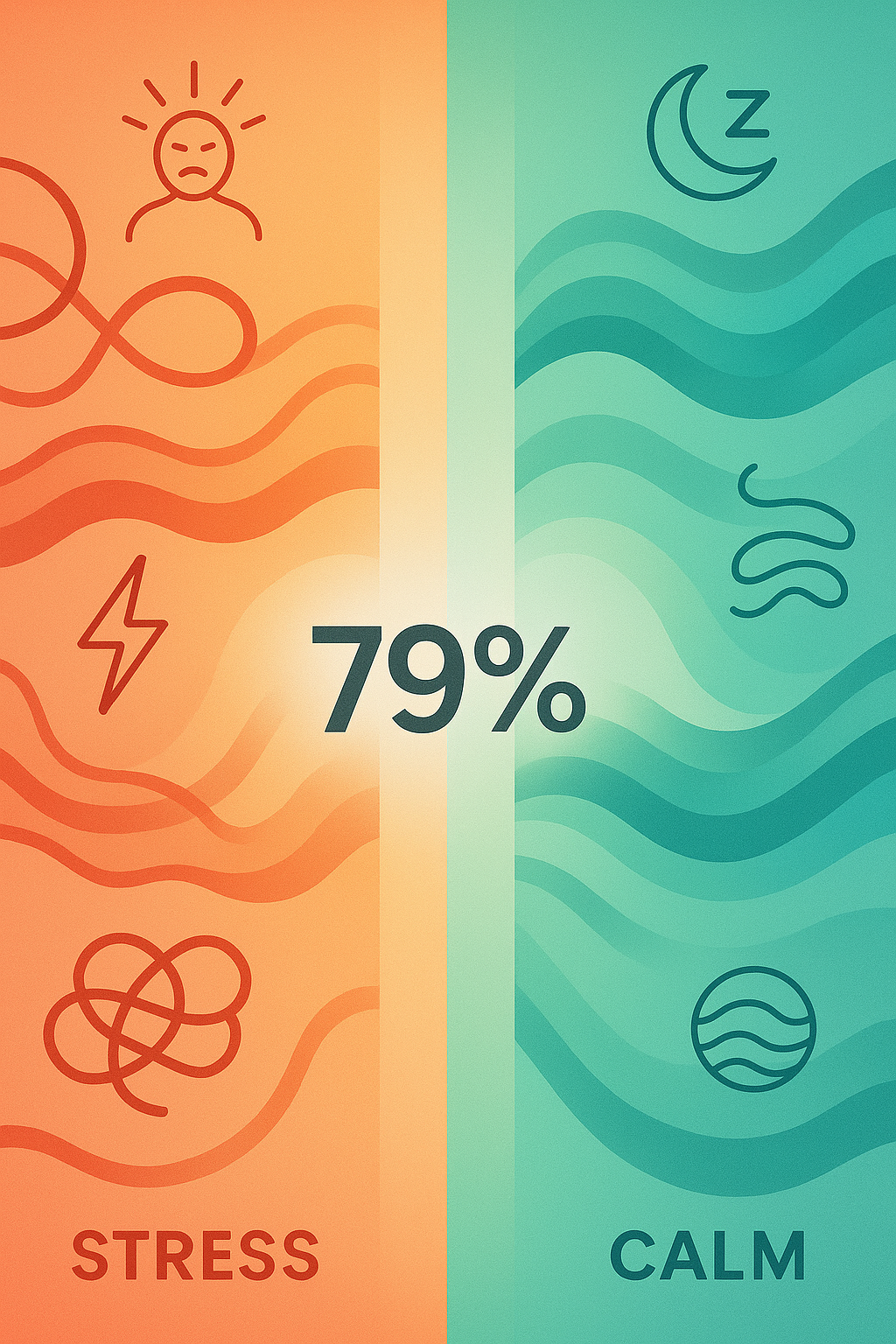
Recent research suggests CBD may support relaxation and help with everyday stress. Reported effects can occur within an hour in some studies, but findings are heterogeneous.
Key takeaway: gradual approach, self-monitoring, and medical advice where an anxiety disorder is diagnosed.
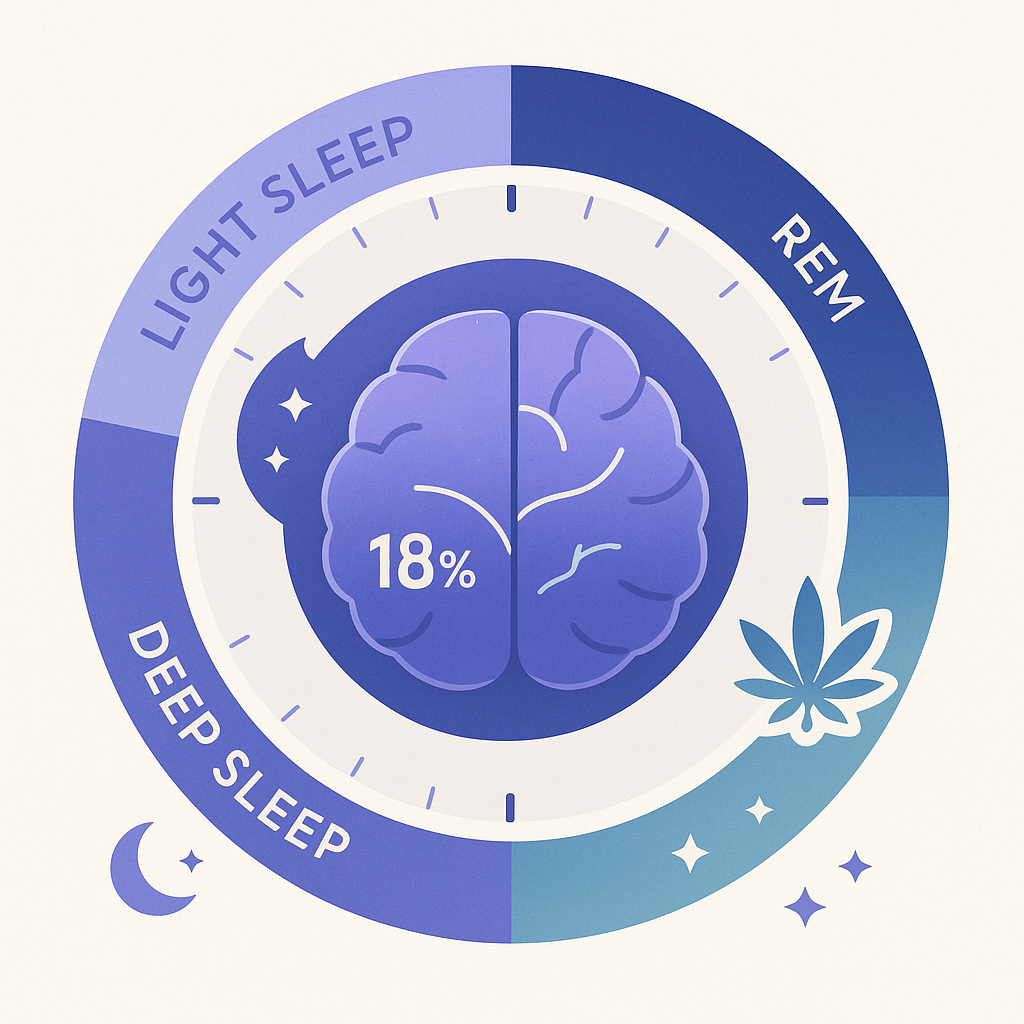
2. Sleep and night-time quality
Findings point to an indirect role: easing what disturbs sleep (tension, busy mind, discomfort).
Some people report calmer settling and fewer night-time awakenings. Timing can help (as part of an evening routine).
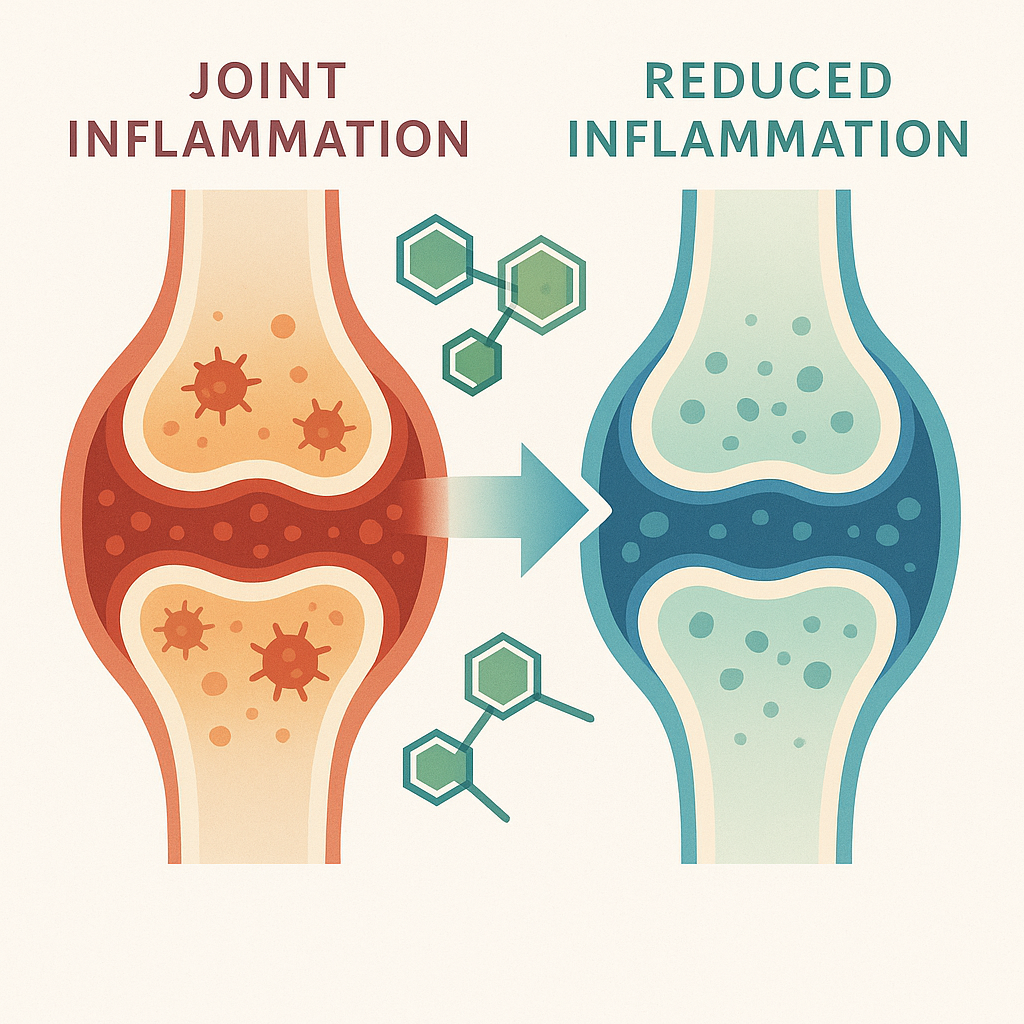
3. Discomfort and inflammation-related sensations
Publications describe a potential for easing persistent discomfort, with interest in topicals (creams/balms) and oral formats where quality is assured.
Effects are usually progressive.
4. Post-exercise recovery
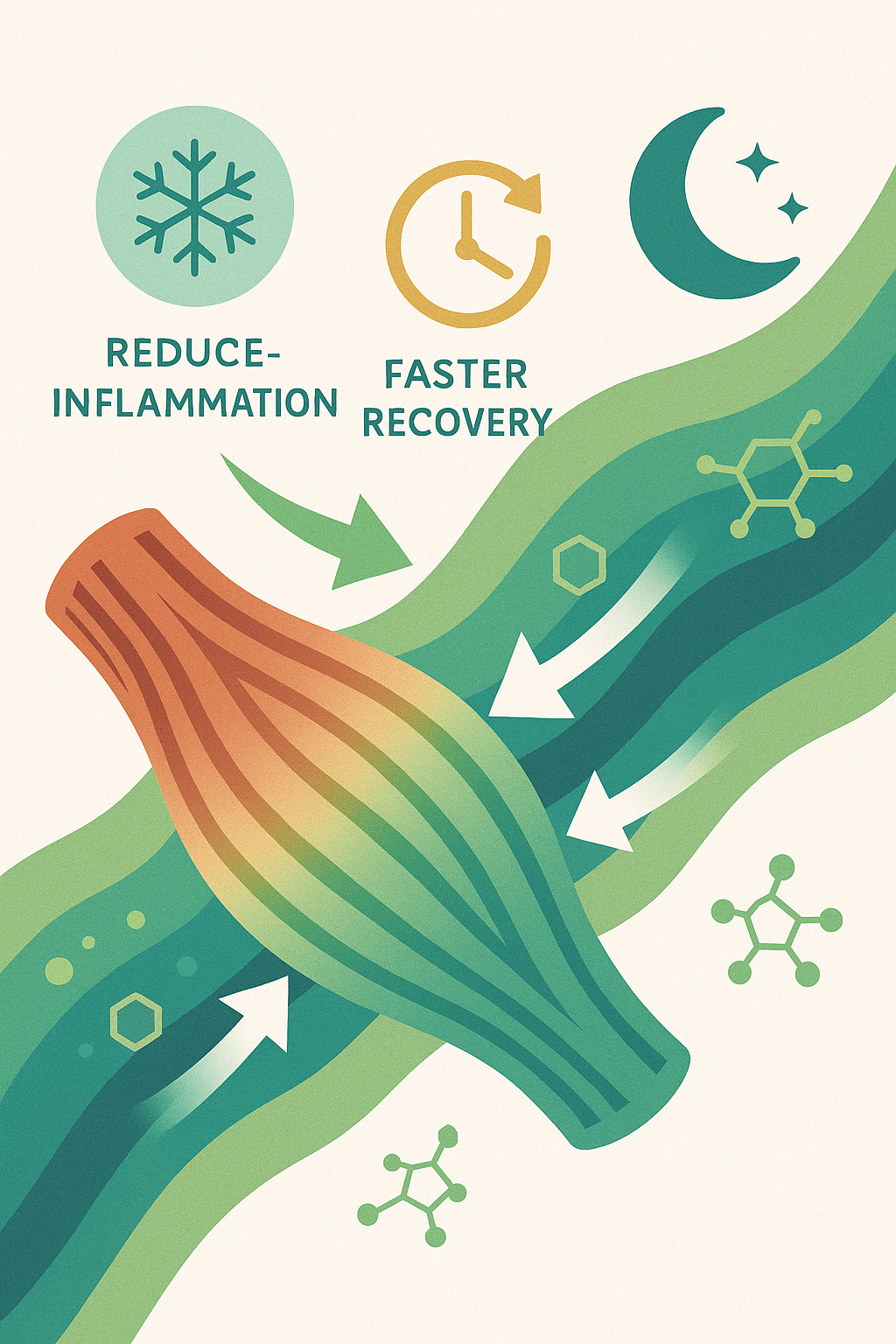
In a well-being context, CBD may support recovery after effort (relaxation, perceived stiffness, restorative sleep).
It is not a doping product and not a performance stimulant.
5. Focus and mental clarity
Data are preliminary: some users report less mental “noise” and gentler focus at lower amounts.
At higher amounts, mild sleepiness can occur for some.
6. Skin comfort
In well-being dermatology, CBD is of interest for soothing and sebum-balancing properties reported in recent literature, notably in serums/targeted care.
This is not a medical treatment; for diagnosed conditions, consult a professional.
7. Nausea: a cautious research area
Work is exploring a potential role for CBD around queasiness.
In medical contexts (e.g. concurrent treatments), professional advice is essential.
8. Supporting habit change (e.g. smoking less)
Some studies suggest support with cravings and stress, but this does not replace supervised cessation pathways or recommended treatments.
9. Cardiovascular well-being: ongoing research
Promising yet cautious signals include possible influence on tension and oxidative stress.
Potential interactions with cardiovascular medications mean: speak to your doctor.
10. Neuroprotection and brain health
An experimental field: preclinical findings and ongoing trials exist, but no general clinical conclusions at this stage.
These are research avenues, not prevention or treatment claims.
Choosing your CBD format
Start low, go slow
- Sublingual oil: measured, regular routines.
- Topicals (creams/balms): targeted local application.
- Capsules/infusions: convenience and routine.
Reminder: prioritise quality (independent COAs, European hemp, careful extraction), transparent brands, and EU/UK compliance (THC within legal limits).
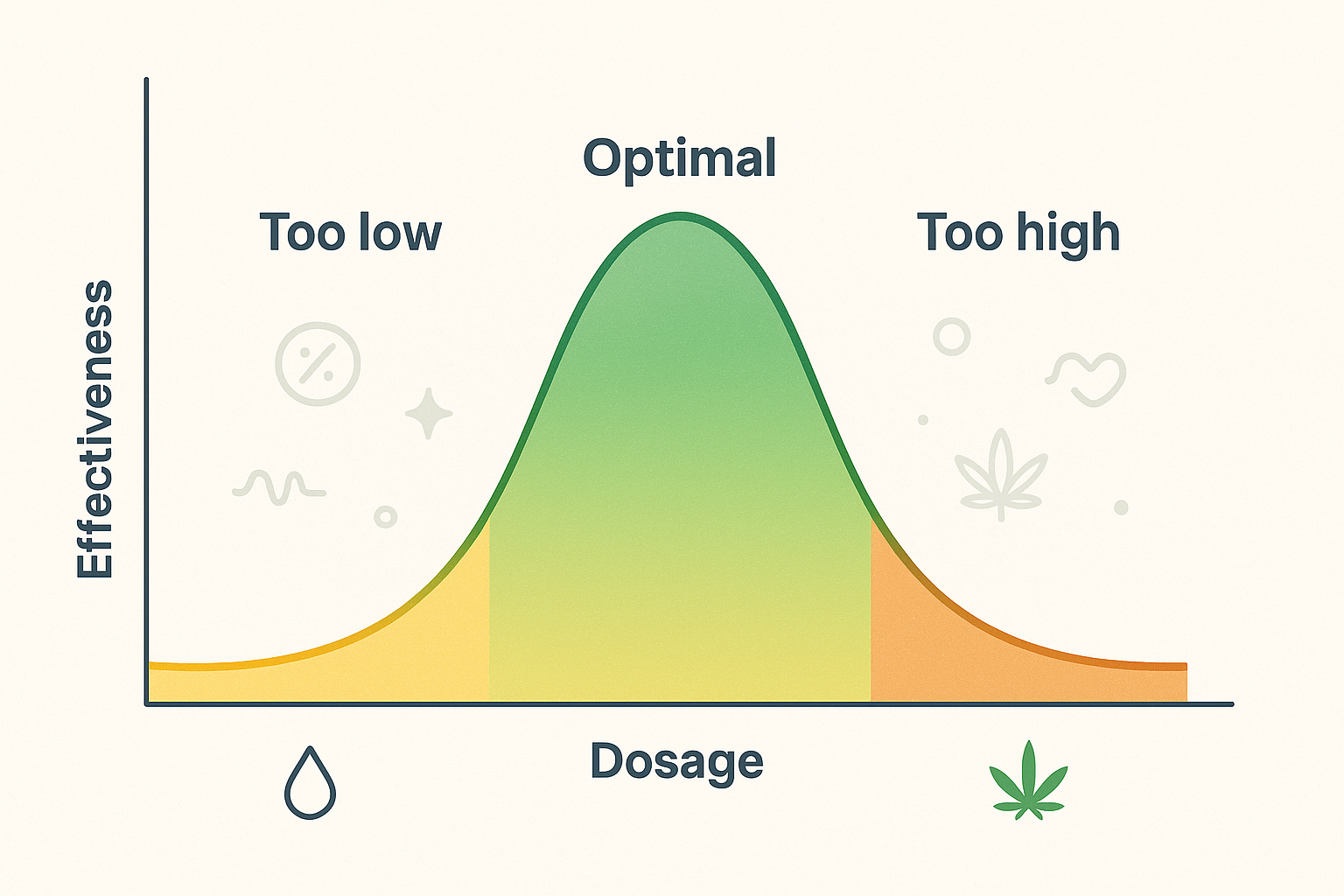
Approach to quantity: “start low, go slow”
Begin low, adjust gradually to personal feel, and pause or reduce if uncomfortable. If you take daily medication or have a medical condition, discuss CBD with your doctor or pharmacist.
Interactions and precautions
Be cautious with certain medicines (anticoagulants, antiepileptics, immunosuppressants, beta-blockers, etc.).
Pregnancy/breastfeeding, children (outside specific medical frameworks), significant liver issues, known allergies: avoid or seek professional guidance first.
Possible side effects
Generally well tolerated. Mild, temporary effects may occur (dry mouth, light sleepiness, digestive upset). Adjust or discontinue if needed.
User experiences (individual, non-generalizable)
Some report greater calm, more stable-feeling sleep or more comfortable recovery. These are personal perceptions.
Want to explore further?
Guides & Informations • Tendances & Innovations • Vaporisation & Plantes
Sources (legal context):
- UK Home Office “Drug licensing factsheet: cannabis, CBD and other cannabinoids” (exempt product definition with 1 mg per container and conditions). GOV.UK
- EU: 0.3% THC threshold for industrial hemp under the CAP since 1 January 2023 (cultivation/import framework).
EUR-Lex - France (public guidance overview on non-medical CBD; links to the 2021 decree and the 2022 Conseil d’État decision): Ministry of Economy CEDEF page.
economie.gouv.fr